Beyond the Logo: The Hidden Cost of Rewriting a Brand’s Legacy
The quiet contracts of consumer trust
I first wrote about these rebrands when the changes were still fresh. Cracker Barrel removed its barrel, its Old Timer figure, and the warm country-store essence built over nearly five decades. The result was immediate backlash, a stock dip, and a full reversal within a week, including a pause in store remodels.
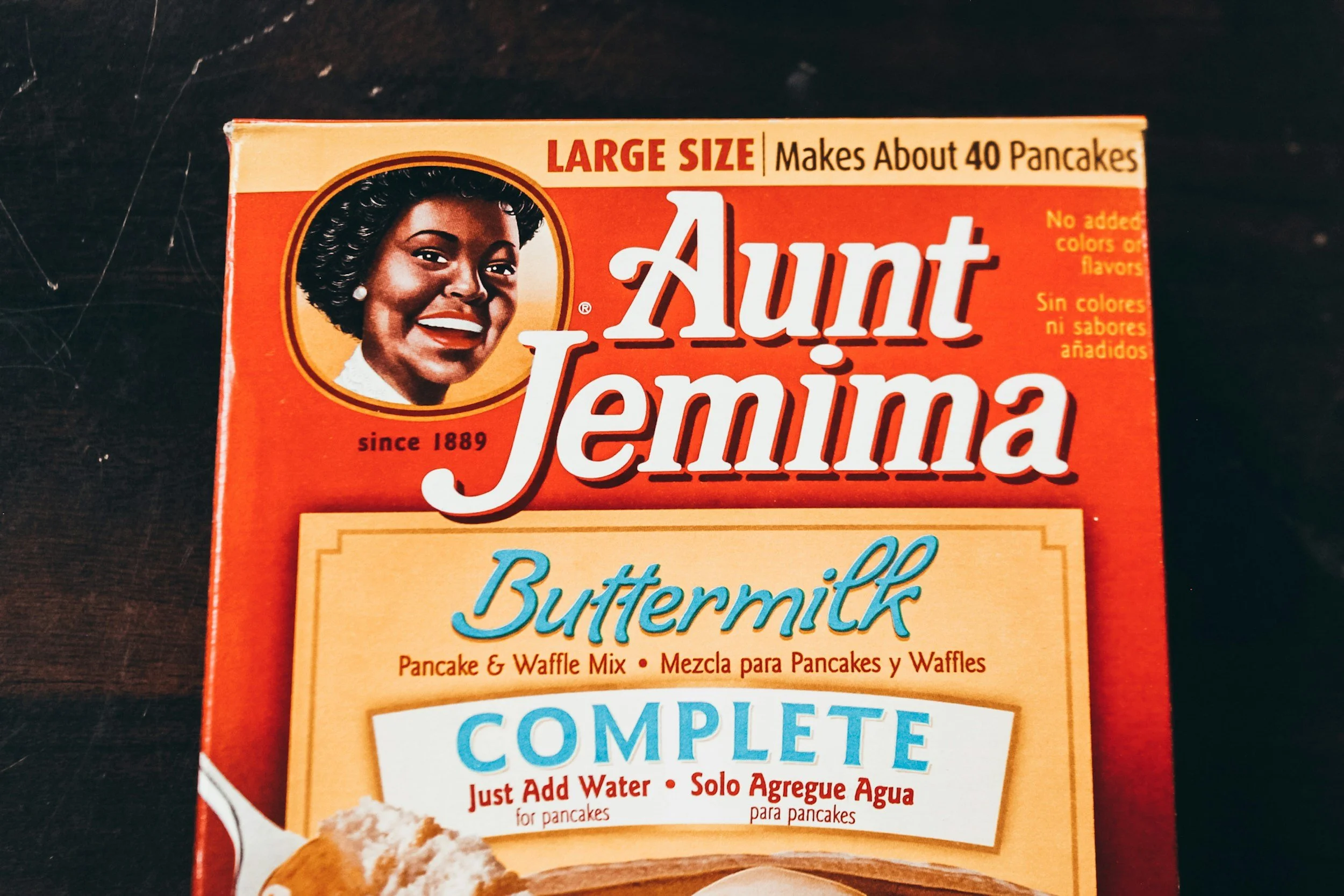
Aunt Jemima became Pearl Milling Company, replacing a problematic image with a safer, more corporate one. Around the same time, Uncle Ben’s rice became Ben’s Original, dropping the “Uncle” title and the familiar smiling face that had appeared on boxes since the 1940s.
Months later, the questions they raised haven’t faded. Why do careful, well-intentioned rebrands so often stumble?
It is not because the design failed or the intent was wrong. It is because brands are more than visuals. They are quiet contracts, built over decades at kitchen tables and holiday meals. When those contracts are rewritten without care, people notice the absence long before they accept the new version.
All three decisions made sense in strategy sessions: address cultural shifts, remove outdated imagery, and signal inclusivity. Yet each met resistance, drift, or pushback that revealed a deeper truth. Brands are not just logos or names to update. They are living agreements with people who have welcomed them into their routines and made them a part of their traditions.
“Think of it like updating a well-worn family recipe book. You can modernize the design and layout, but if you quietly remove the handwritten notes in the margins — the ones that record each person’s favorite birthday cake flavor, or grandma’s practical tweaks like changing the oven temperature from 350°F to 325°—the book no longer feels like home. People open it, sense the missing handwriting before they appreciate the cleaner pages, and quietly set it aside.”
Five quiet reasons rebrands stumble
These cases are not outliers. They highlight patterns that appear even when executive teams are talented, thoughtful, and highly capable.
We treat branding as a refresh instead of a relationship audit. Questions like “Does this look current?” dominate over “Will the people who already trust us still see themselves here?” Cracker Barrel answered the first question well, but completely overlooked the second.
We underestimate emotional equity. Brands gather meaning the way old houses gather stories. You cannot remove the stories and expect the new structure to feel warm immediately. Aunt Jemima and Uncle Ben’s eliminated offense, but they did not fully replace the shorthand of comfort built across generations.
We seek permission from the wrong room. Marketing teams and boards discuss relevance in conference rooms. Customers discuss what feels right at kitchen tables. When those conversations diverge, the rebrand becomes a corporate press release rather than a shared evolution.
We redesign for the customers we wish we had, not the ones we do. Growth is essential. But pursuing it by subtly signaling to loyal guests that their version of the brand is outdated invites drift. There is nothing wrong with expansion; there is everything wrong with expansion that quietly disinvites the foundation.
We let fear of cancellation eclipse the chance to teach. In the rush to avoid backlash, teams often choose the safest path: complete erasure, neutral names, and no explanation beyond a brief corporate statement. The drive to sidestep being labeled "out of touch" becomes the loudest voice in the room. True evolution, however, asks us to risk explanation, not just default to elimination.
Change as conversation, not declaration
None of this suggests that brands should remain frozen in time. The world shifts. Tastes evolve. Values advance. But the brands that navigate transitions successfully treat change as a dialogue. They preserve what people still talk about at the table while constructing a clear, inclusive path forward.
If you are leading a rebrand today, pause before you approve the first mood board. Ask the questions that feel almost too straightforward: Who has already granted us a place in their lives? What exactly do they trust us to deliver? How do we honor that trust while inviting others to join?
The answer rarely hides in a new typeface or a modernized name. It lives in the story we continue telling together—the one no algorithm can generate and no agency can simulate. That is what transforms a logo into something people defend, remember, and hand down.
The strongest brands understand something fundamental: they are not just products on a shelf. They are communities. We don’t just buy from these brands. We belong to them. And when a company gets that relationship right, that belonging becomes the truest form of endurance.