Are We Addicted to the Fake?
Building for character over convenience
We’re selling the South Carolina home my husband and I designed and built ourselves, without a general contractor. We converted an old warehouse and filled it with genuine details rather than plastic stand-ins. We chose real materials: marble, raw steel, and long-leaf pine that we aged and planed ourselves. These are the kinds of materials that develop character over time, demand care, and grow increasingly beautiful with age. It made the process more challenging and expensive in the short term, but the outcome has structural integrity, character, and soul.
We thought it would be our forever home, but life and work are pulling us back toward the Northeast. Now, as we prepare to leave it, the house stands apart in a market full of polished simulations.
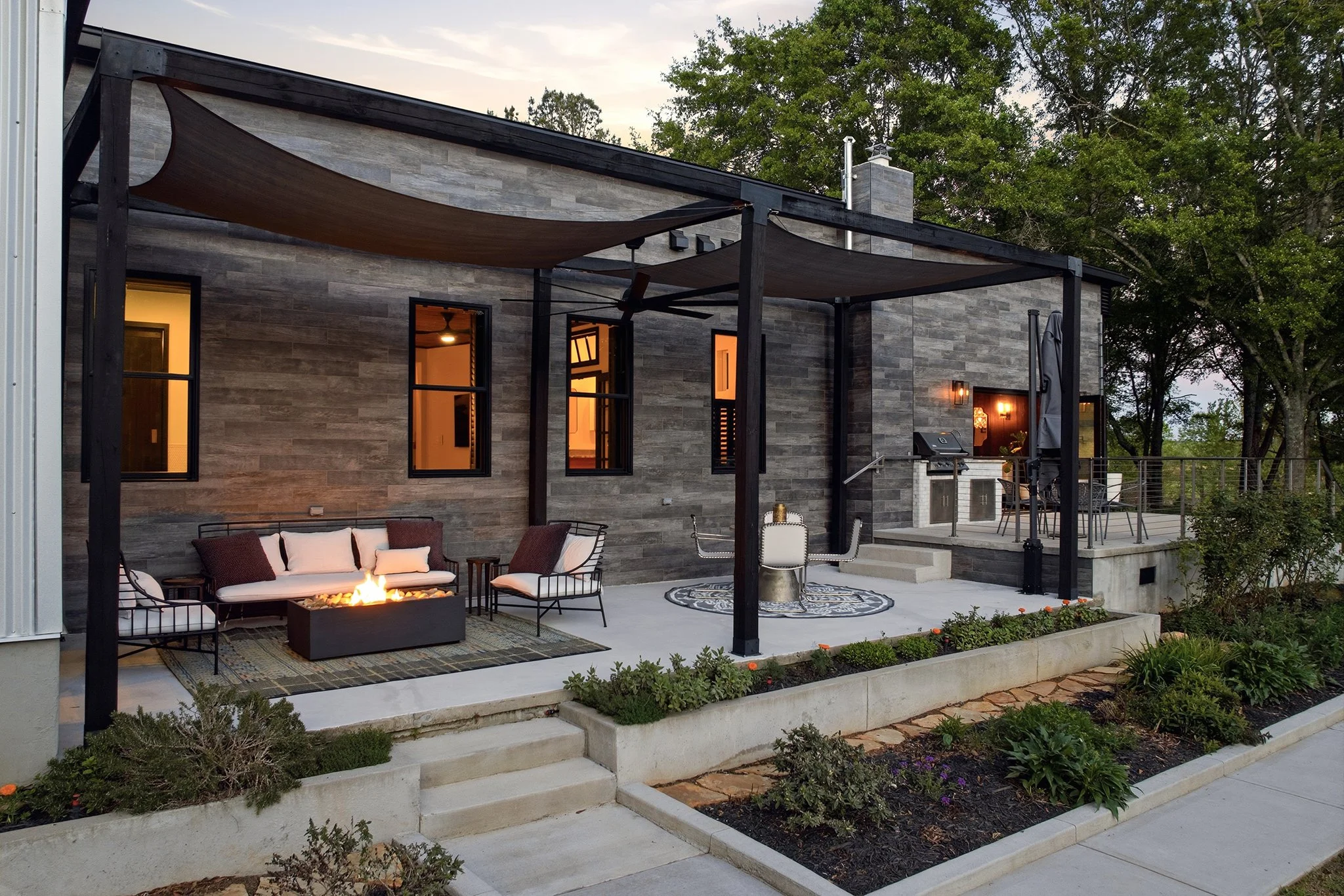
Big timber pergola with raised gardens
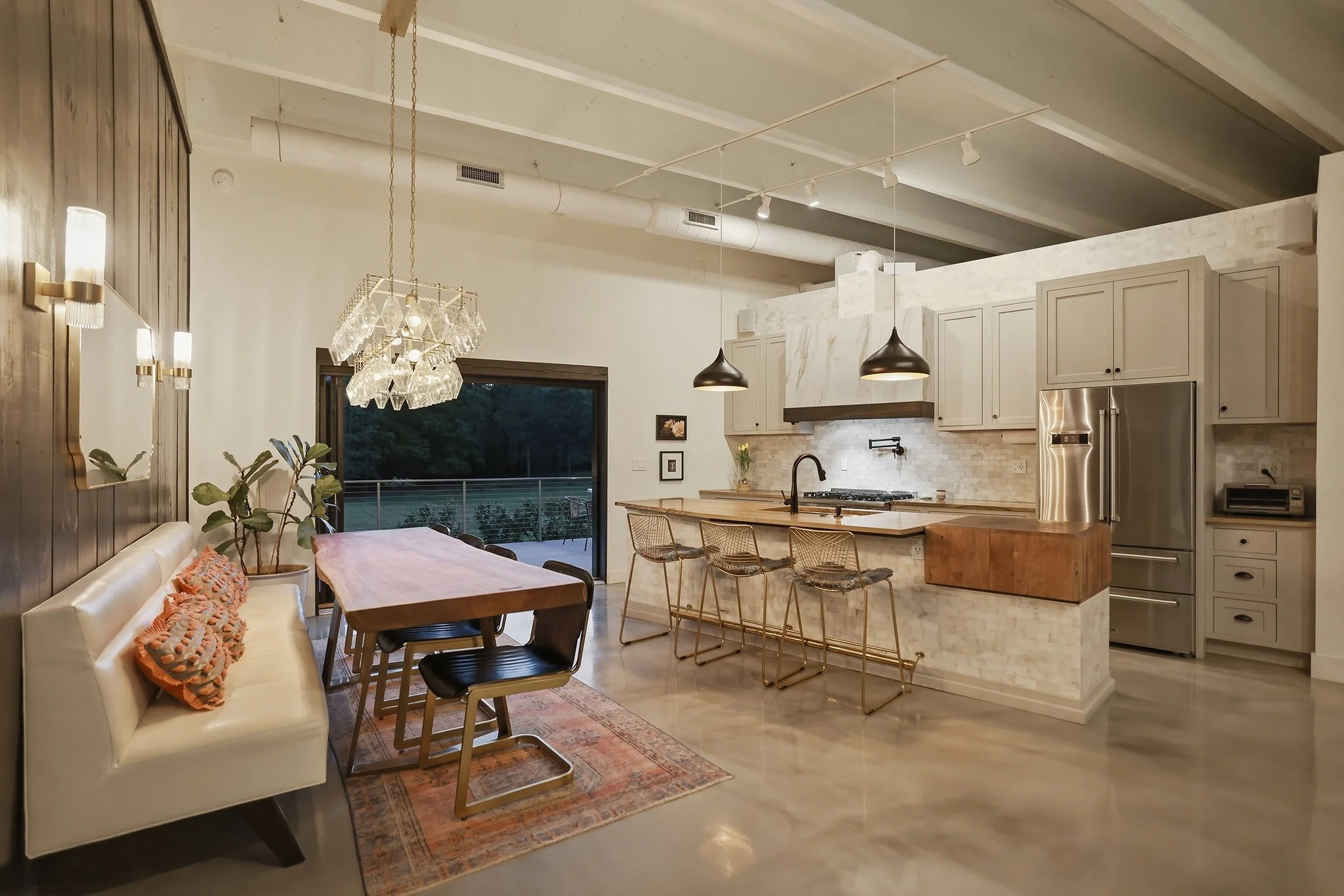
Marble island with sandstone top & butcher block
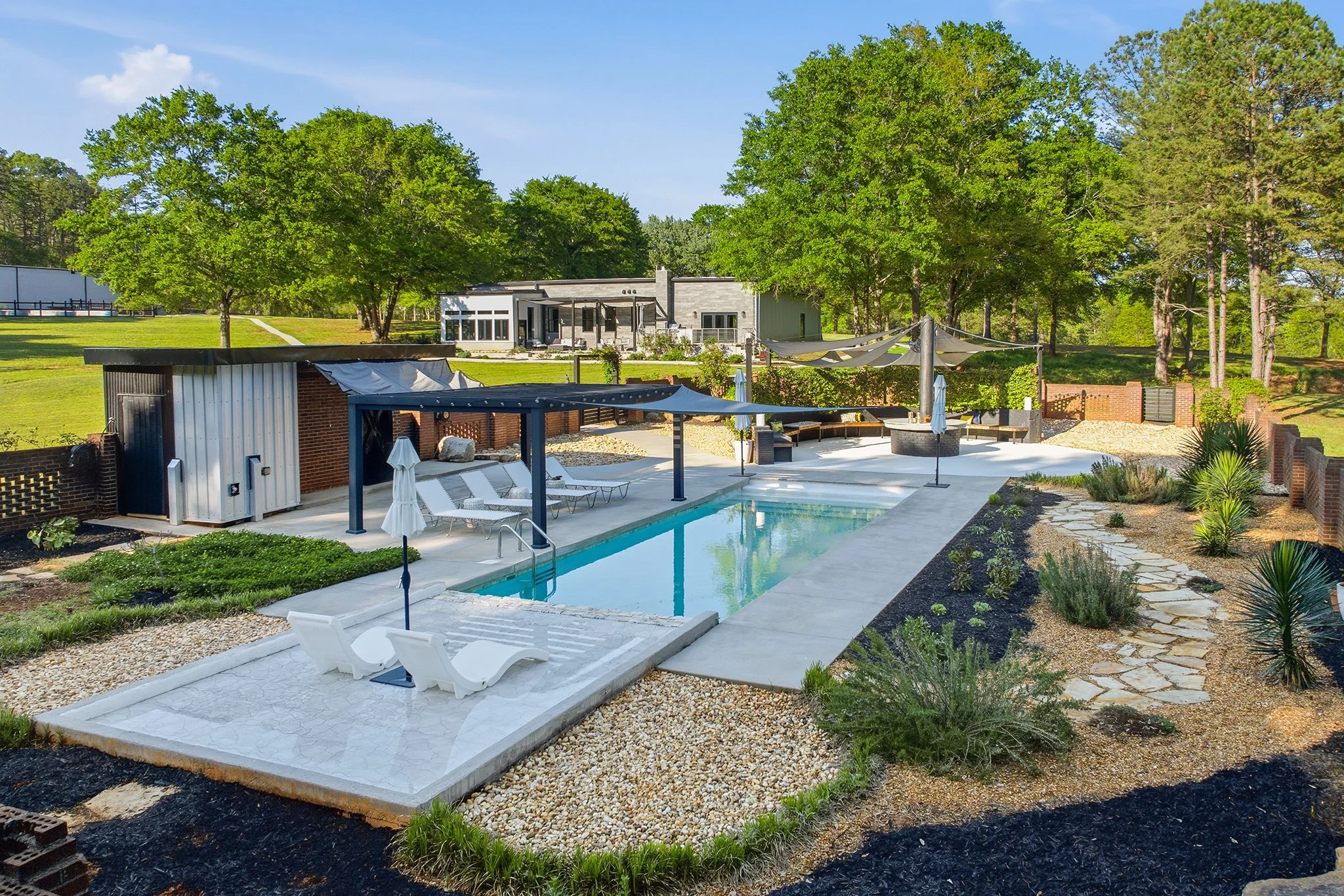
Saltwater pool tiled with marble
The illusion of perfection
The selling process has thrown me into an existential loop about real estate, modern marketing, and what we’ve come to value as Americans.
Today’s US market chases one thing above all: the illusion of perfection.
Buyers want the visual shorthand of character without the maintenance. Without the history. They want luxury vinyl plank (LVP) flooring that looks like hardwood but rarely scratches, ignoring the poisonous off-gassing of formaldehyde resins. Polyvinyl chloride (PVC) decking that mimics wood grain without the splinters, despite being entirely synthetic. “Heirloom hand-hewn wood beams” made of printed polyurethane foam, light enough for one person to install.
The architecture of erasure
We are a nation just 250 years old, yet we seem obsessed with discarding what little physical history we have. In Rome, marble and terracotta tiles have remained in place for centuries, their worn dips and imperfections celebrated as the physical memory of the generations who walked across them. In Paris, they adapt and add to historic Napoleonic architecture. They don’t raze it to the ground. But here, we gut, flip, and cover up our brief history, trading generational permanence for a frictionless reboot.
Real estate agents call it “perfect,” and it photographs beautifully for Zillow. Yet, like a movie set, this manufactured consistency is a toxic illusion. A synthetic surface layer destined to age poorly because it cannot weather the realities of daily life.
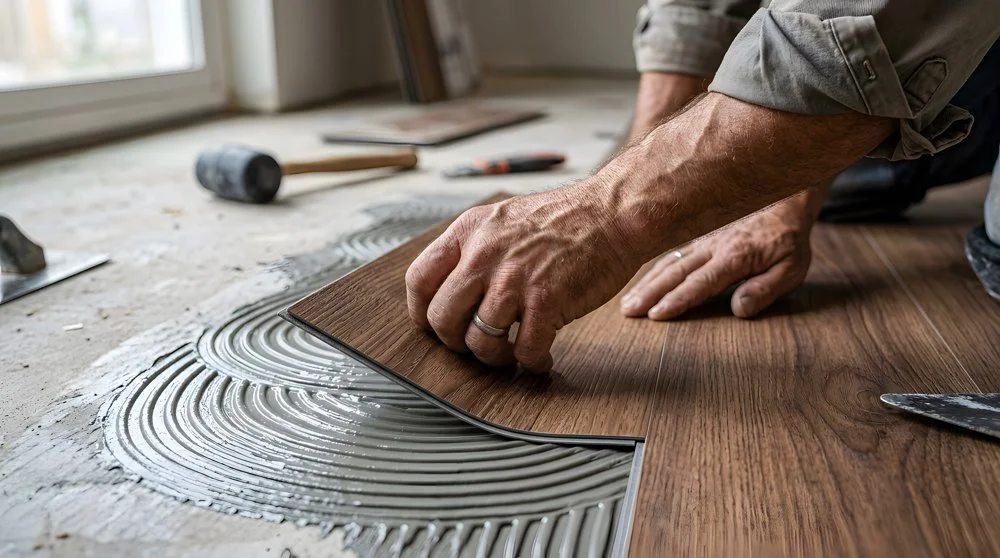
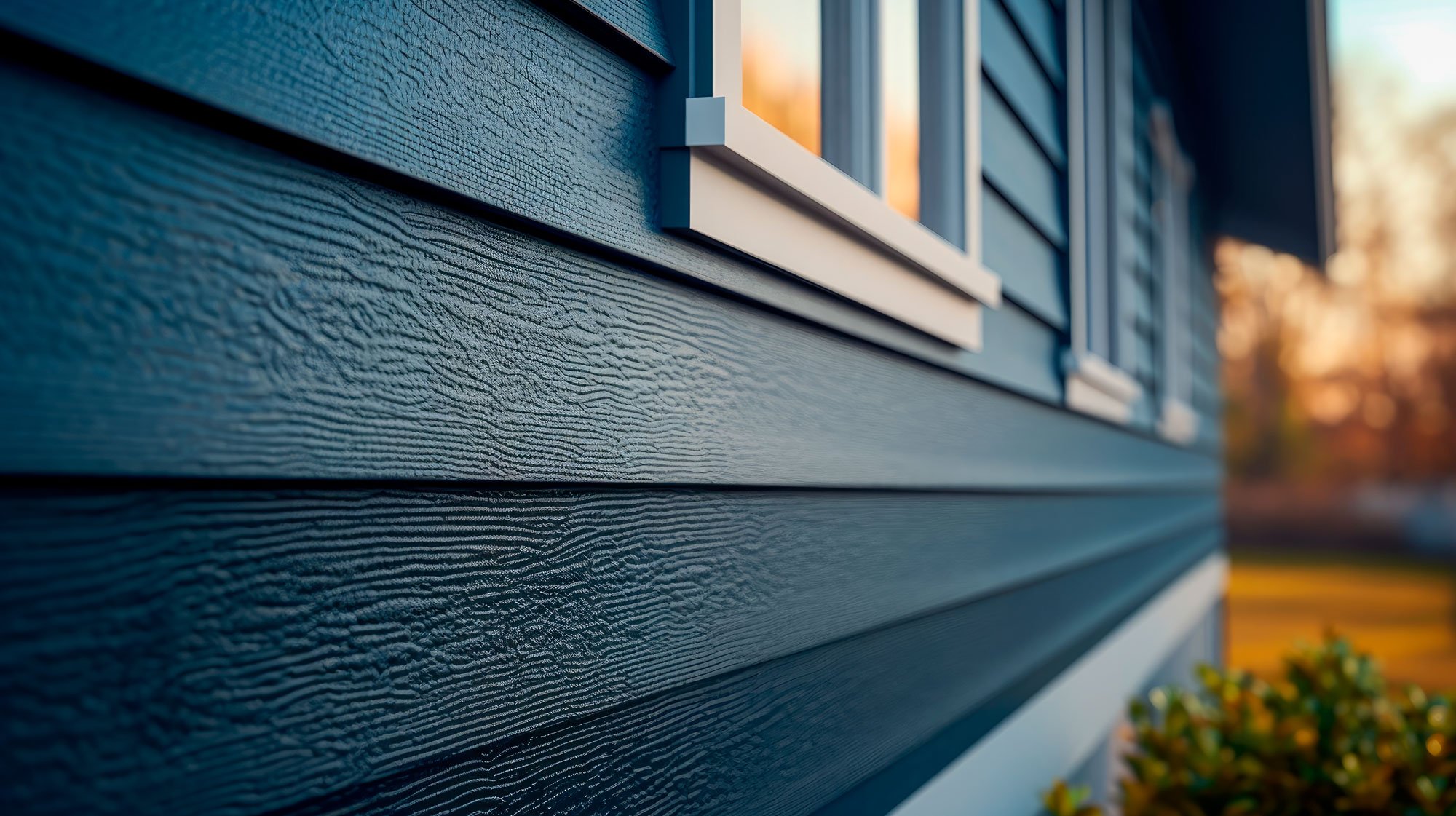
Luxury vinyl plank (LVP) flooring
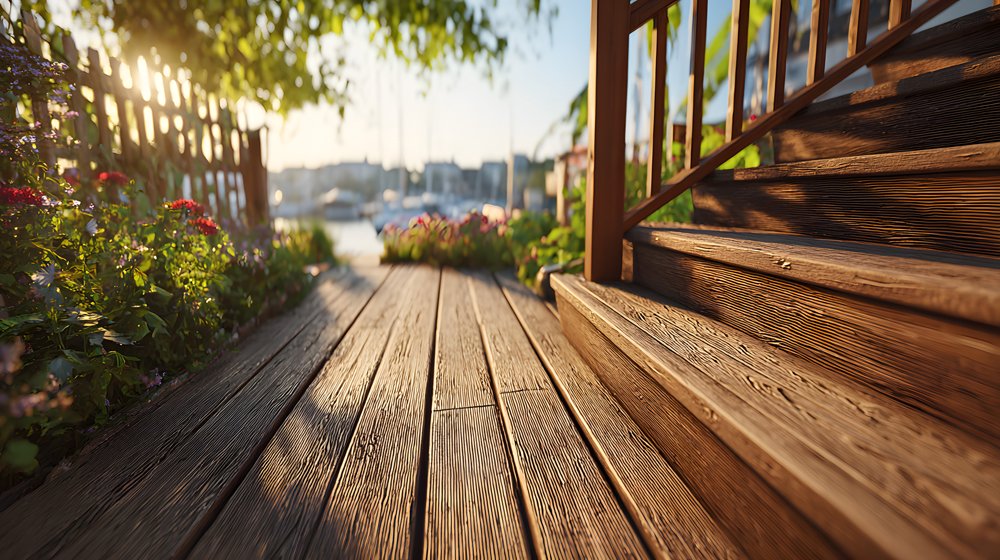
Composite decking
Trading oil paintings for color Xeroxes
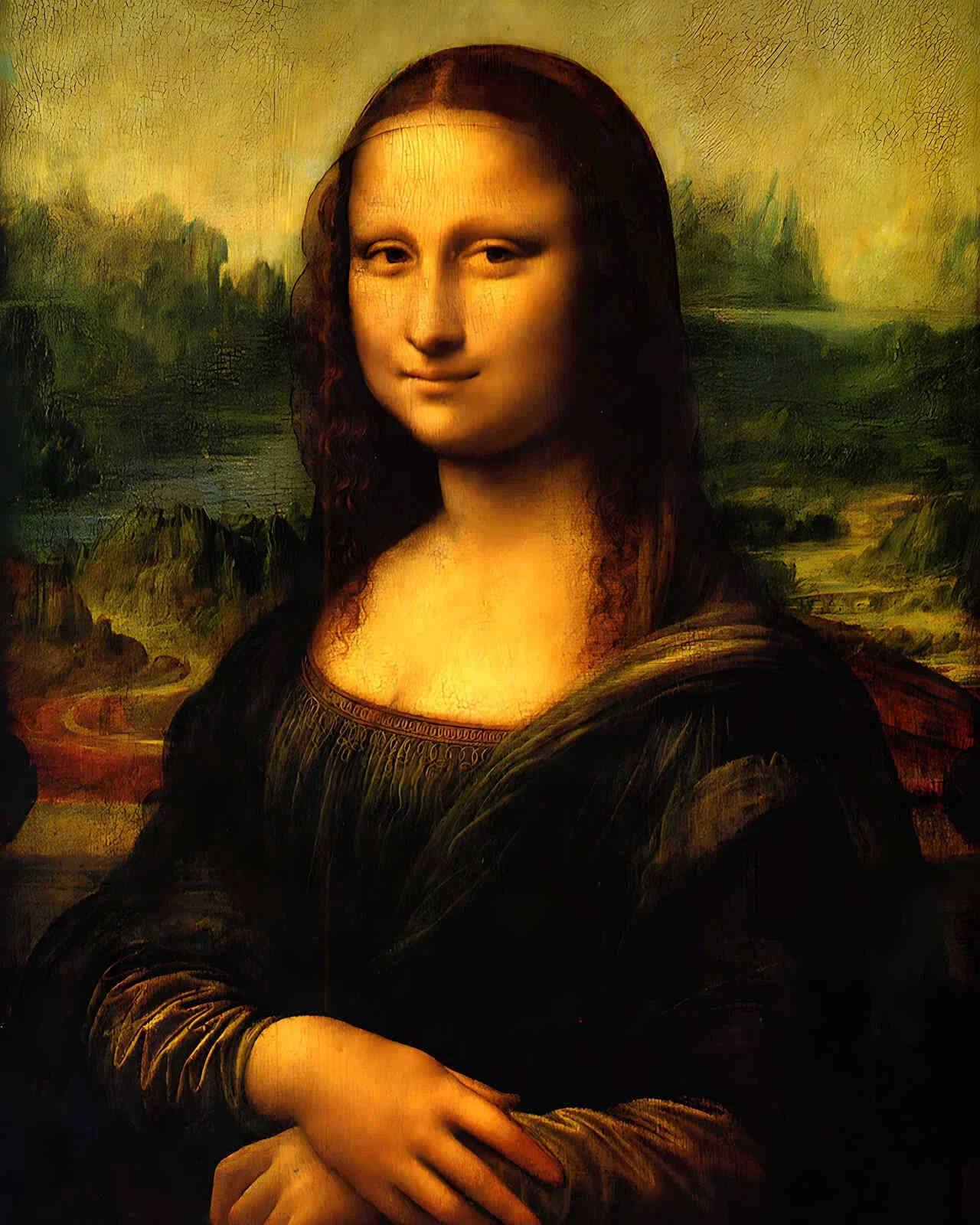
From a musician’s point of view, Neil Young captured this compromise perfectly. He argues that standard MP3 files retain only about 5% of the original recording, losing everything that exists between the absolute 0s and 1s. He uses the analogy that the full studio sound is a layered oil painting. The compressed file is a color Xerox. The subtle brushstrokes, the warmth, and the vital space between the notes are all stripped away in the name of speed, cost, and convenience. Imagine visiting the Louvre, only to find a framed photocopy of the Mona Lisa hanging in the gallery.
The pursuit of sterile perfection
As a marketer and creative director, I see the same compromise across media channels every day. Brands chase a sterile, frictionless perfection. They deploy inexpensive or free stock imagery, giving it just enough manufactured edge to pass as authentic. They broadcast messaging that mimics human warmth, but has been A/B tested into absolute smoothness.
They check just enough diversity boxes to avoid offense, leaving us with the uncanny feeling that it is all beautifully curated make-believe. Most brands have traded oil paintings for Xeroxes. It’s pragmatic, on the surface. Faster to produce. Easier to scale. Less likely to polarize.
Until you live with it.
The hollowness of flawless design
Is this what we are teaching? Are we tuning consumers’ eyes to miss the details found only in authentic materials, to the point where the authentic actually seems fake and unfamiliar?
Eliminate the imperfections, and the resonance and humanity go with them. In their place, the simulation introduces a predictable, artificial repetition with irritating, looping patterns found only in printed “wood” and stamped “marble.”
A logo system or campaign aesthetic can look flawless at first glance, but spend a quarter with it, and the hollowness appears. It lacks the material honesty, the slight asymmetries, and the earned patina that make something feel alive. When I design new branding for clients, I always insist they print it out and hang it in their homes, on their desks, and on their mirrors for a week or longer. Take the time. See which lines resonate after the initial polish fades.
Committing to substance
The real estate market wants me to compress our home into a smooth, compliant product. Low-resolution. Low-maintenance. Inoffensive. Generic.
But neither craft nor quality is convenient. Genuine depth requires ongoing investment, whether you’re maintaining a house built with authentic materials, mixing music that moves people, or building a brand that endures beyond the next quarter.
We have a choice: build for the illusion that scales fast, or commit to the substance that actually lasts and matters. That commitment takes time, unyielding authenticity, and a willingness to do the thoughtful and sometimes grittier work required to get there.
When the initial polish inevitably wears off, all that remains is the material underneath. Make sure it is real.
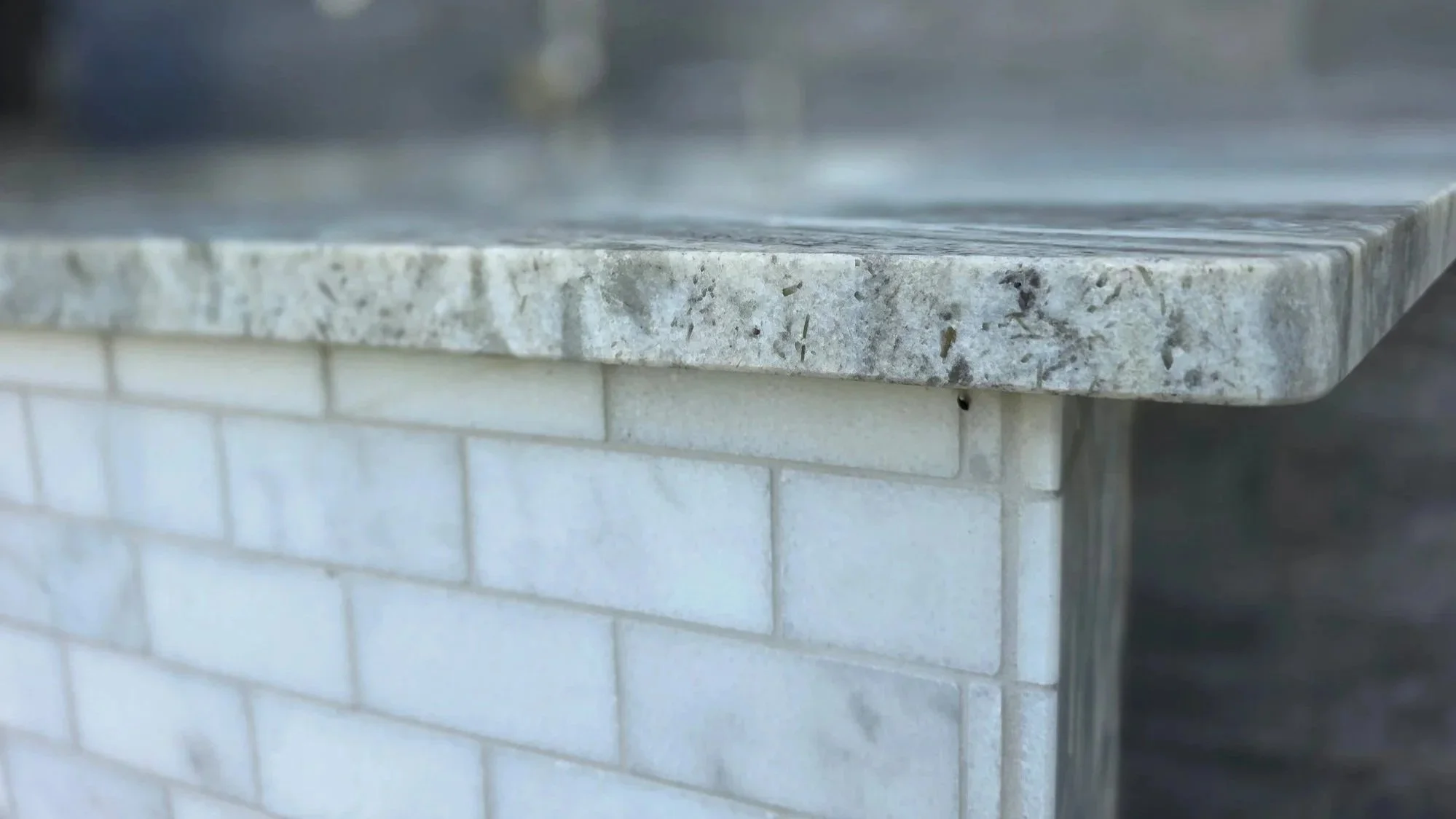
Exterior kitchen counter made of granite wth a Cararra marble base with one tiny beetle resting in the shade